Video analysis
The USD Could Crash Tomorrow
CPI tomorrow could trigger dollar crash or stagflation trap.
James LNE examines pre-CPI dollar positioning, stagflation risks, and geopolitical oil dynamics ahead of critical inflation data. He analyzes central bank rate expectations, retail positioning contrasts, and technical setups across major currency pairs and gold, while highlighting how Middle East tensions complicate the inflation-growth policy dilemma.
The CPI Crossroads: Why Tomorrow's Inflation Print Could Reshape Dollar Positioning
The US dollar faces a critical inflection point as markets await Wednesday's Consumer Price Index release. Ahead of this data, the dollar has staged a modest recovery driven by geopolitical risk-off flows and technical retracement from last week's weak nonfarm payroll print. However, beneath the surface, a dangerous macro imbalance is building—one that could force the Federal Reserve into an impossible policy corner.
The consensus forecast calls for CPI to decline to 3.4% year-on-year from 3.5% previously. On the surface, this appears benign. Yet the historical record offers little comfort: consensus has missed four of the last six CPI prints, suggesting limited predictability in the current environment. A print materially above 3.6% would signal sticky inflation and likely trigger a sharp dollar rally, while a reading below 3.2% would reinforce the cooling narrative and pressure the currency lower.
The Stagflation Trap: Why Higher Inflation May Not Help the Dollar
The real danger lies not in inflation itself, but in the combination of rising prices with deteriorating growth and labor market dynamics. The Federal Reserve's macro fundamentals reveal the problem starkly: inflation sits at 26, labor at 27, and growth at 37—all pointing to weakness outside the price component. If inflation accelerates while labor and growth continue to soften, the Fed enters stagflation territory, where conventional policy tools become useless.
Stagflation presents a cruel dilemma: rising prices demand rate hikes to defend purchasing power, yet weakening growth and employment argue for cuts to stimulate demand. The Fed cannot do both. This policy paralysis is already reflected in market expectations. Fed funds futures show a 52% probability of a September hike, down sharply from 66% one month ago and 64% one week ago. The market is pricing out rate increases despite elevated 2-10 year Treasury yields, suggesting traders expect the Fed to ultimately prioritize growth over inflation.
Geopolitical Oil: The Inflation Wildcard
Complicating the inflation outlook is the Iran-Israel standoff. While Trump declared the Strait of Hormuz open on August 11, Iran rejected direct talks and demanded war reparations plus an end to blockades. Polymarket assigns only a 47% probability of normalization by year-end. Critically, even if the strait reopens, tanker insurance and transit fees will remain elevated, keeping oil prices inflated and energy costs high for consumers.
This dynamic creates a perverse scenario: cooler CPI data tomorrow could prove temporary if Middle East tensions persist and oil prices remain elevated. Higher energy prices feed directly into inflation expectations and Treasury yields, potentially forcing the Fed's hand toward tightening even as labor market cracks widen.
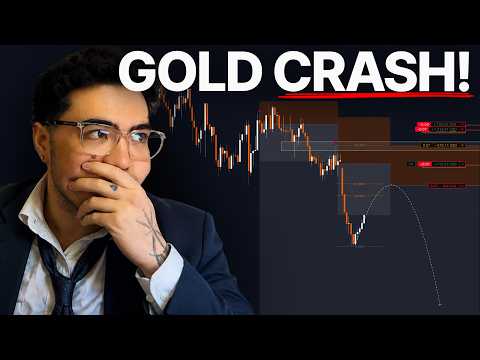
The technical picture adds another layer. Retail traders have flipped from long to short EUR/USD after recent strength, a contrarian signal that often precedes reversals. Gold is also showing signs of pullback after a bullish breakout, with banks overwhelmingly bullish on the yellow metal as a hedge against geopolitical risk.
For traders, the lesson is clear: tomorrow's CPI print is not simply an inflation number—it is a referendum on whether the Fed can navigate stagflation without breaking markets or the economy. The dollar's direction hinges not on the headline alone, but on whether inflation can cool without oil prices reigniting the cycle.
Every number in this video came off the board.
Composite scores on 24 markets, positioning across 44, and the research behind them. 2 boards free, no card.