FX Fundamentals
How to Read Non-Farm Payrolls
The US jobs report moves the dollar through the Fed. Here is how we read payrolls, unemployment and wages together, and why the first number is rarely the whole story.
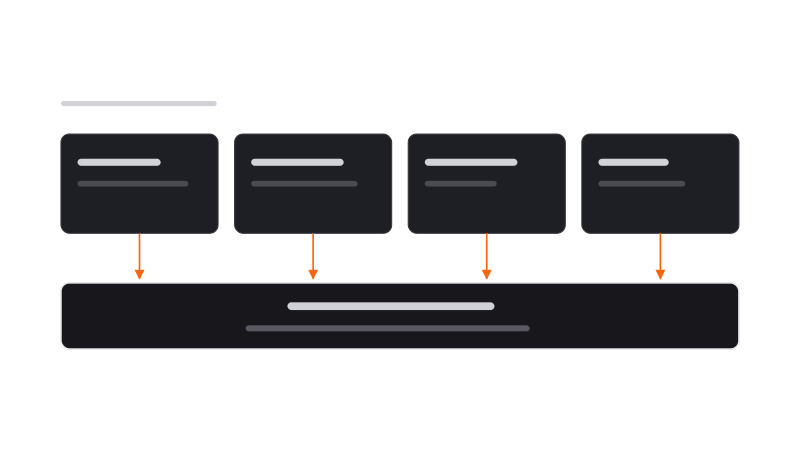
Non-farm payrolls, released on the first Friday of most months, is the most watched single number in FX. It moves the dollar because it moves the Fed: a strong labour market lets the Fed stay restrictive, and a weak one pushes it towards easing. The trouble is that the report holds several numbers, and they often disagree. Here is how we read it.
The three numbers that matter
The payrolls change. How many jobs the economy added last month, against the consensus. This is the headline, and the first move usually follows it.
The unemployment rate. Taken from a different survey, so it can point the other way. A rise in unemployment alongside a strong payrolls number is common, and the market has to decide which to believe.
Average hourly earnings. Wage growth is the link from jobs to inflation. A soft payrolls number with hot wages can still be hawkish, because wages feed into prices for months.
Revisions change the story
Each report revises the two months before it, and the revisions can be larger than the surprise in the headline. A strong number that comes with heavy downward revisions to earlier months says the labour market is weaker than it looked. We always read the revised three-month average beside the new figure.
Participation matters too. Unemployment can fall because people stop looking for work, which is a weak signal dressed as a strong one.
Start from what is priced
As with any release, the reaction depends on what the market expected and what it had already paid for. If the next Fed meeting is close to a coin flip, payrolls can decide it, and the move is large. If the outcome is already priced, even a big surprise can fade quickly. Before the release we check the odds for the next two meetings and the two-year yield.
The Fed filter
The Fed weighs jobs against inflation. When inflation is well above target, a weak jobs report may not be enough to change policy, and the dollar can recover after the first drop. When inflation is close to target, the labour market carries more weight. Reading payrolls without the latest inflation data is reading half the picture.
Fed speakers after the release matter as well. A strong report followed by cautious comments from the committee often caps the dollar's gains.
Mistakes to avoid
- Trading the headline alone. Unemployment, wages and revisions can overturn it within minutes.
- Ignoring the inflation backdrop. The same jobs number means different things for the Fed at 2% inflation and at 4%.
- Chasing the first spike. Liquidity is thin at 13:30 UK time and the first move often reverses.
- Treating ADP as a preview. The private ADP survey is released earlier in the week and often differs from the official figure.
How we use the terminal for it
The economic calendar shows the payrolls consensus, the banks' forecasts and the surprise once it prints. The US economic picture in the terminal scores labour beside growth and inflation, so a jobs miss sits in context. The Central bank panel shows how the Fed odds move after the release, which is the clearest read of whether the report changed anything.
This is an educational overview of how the US jobs report works in FX. Nothing in it is financial advice.
Reading this is one thing. Seeing it live is another.
The composite score on 27 markets, with positioning across 44 and the research consensus behind them. The terminal is $10 for your first month, then $49 a month. Cancel from Billing at any time.
Currency scores today
Reading of 22 Nov, 07:00 London · live in the terminal
- JPYJapanese Yen 59 Bullish
- NZDNew Zealand Dollar 59 Bullish
- 5 more currencies in the terminal
- AUDAustralian Dollar 39 Bearish
- MXNMexican Peso 39 Bearish