Central Banks
How to Read a CPI Release as an FX Trader
Inflation data moves currencies through one channel: what it does to the rate path. Here is how we read a CPI release, from the consensus to the first hour after it.
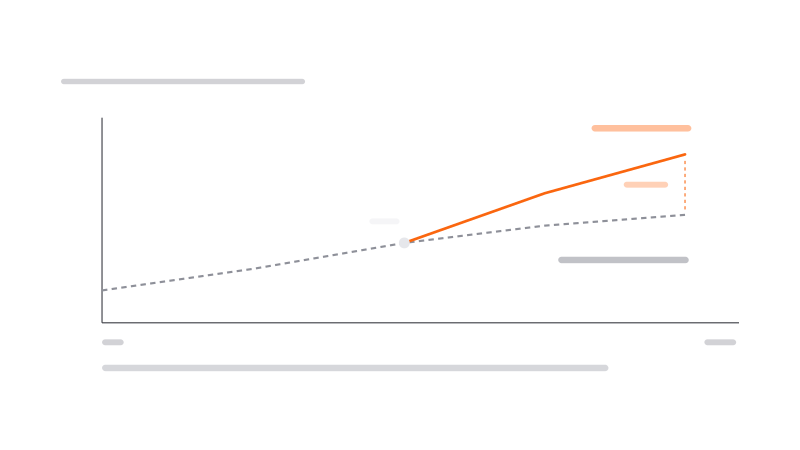
A consumer price index release is one of the few numbers that can reprice a central bank in a single minute. The figure itself matters less than people think. What moves the currency is the gap between the print and what was expected, and what that gap does to the rate path the market had already paid for. Here is how we read one.
The channel: inflation to rates to the currency
A central bank's job is to keep inflation near its target, so every inflation print is really a question about policy. A hotter number makes hikes more likely, or cuts less likely, and that lifts short-term yields. Higher expected yields tend to pull money towards the currency. A cooler number works the other way. We covered the wider mechanism in rate differentials explained, and CPI is one of the strongest inputs into it.
Before the print
We start with three things, all of them visible before the release.
The consensus. The forecast for the month-on-month and year-on-year change, headline and core. The month-on-month figure usually moves the market more, because the yearly rate is partly fixed by what happened twelve months ago.
What is already priced. The odds of a move at the next meeting, read from rate futures. If a hike is already 90% priced, a hot print has little left to add, while a cool one can take a lot away. The asymmetry is often the whole trade.
The recent record. When the consensus has missed several prints in a row, we give it less weight and widen the range of outcomes we plan for.
Headline and core
Headline inflation includes food and energy, which swing with oil and the weather. Core strips them out, so it shows the underlying trend central banks care about most. A hot headline driven by energy and a cool core is a mixed print, and the market usually follows core. When the two agree, the reaction tends to be cleaner and to last longer.
Energy deserves its own note. When oil is rising on supply risk, a cool core can still leave a central bank worried, because energy feeds into everything else with a lag. That is why we read CPI beside the oil price.
The first hour
The first move is fast and often overshoots. We watch the two-year yield more than the currency itself, because it shows how much of the rate path has really changed. If the two-year moves sharply and holds, the repricing is real. If it snaps back within the hour, the first currency move often does too.
The second thing we watch is the priced path for the next few meetings. A print that shifts one meeting is a smaller event than one that shifts the whole path into next year.
Mistakes to avoid
- Reading the level in place of the surprise. A 3.5% print still weighs on a currency when 3.8% was expected.
- Ignoring what was priced. The same surprise moves the market more when the outcome was in doubt.
- Trading the first spike. Spreads widen around the release and the first move often reverses. Many traders wait for the market to settle and for the yield move to confirm.
- Forgetting the other side of the pair. A hot US print matters less for EUR/USD if euro area inflation surprised the same way the week before.
How we use the terminal for it
The economic calendar shows each release with its consensus and the surprise against it, and the banks' own forecasts for the print where they publish one. The Central bank panel shows what is priced for each coming meeting and how those odds move after the release. Together they answer the question that matters on the day: how much has the rate path changed, and is the currency moving in line with it.
This is an educational overview of how inflation data works in FX. Nothing in it is financial advice.
Reading this is one thing. Seeing it live is another.
The composite score on 27 markets, with positioning across 44 and the research consensus behind them. The terminal is $10 for your first month, then $49 a month. Cancel from Billing at any time.
Next central bank decisions
Reading of 22 Nov, 07:50 London · live in the terminal
- RBA8 Dec Hold 100%
- Fed9 Dec 25bp hike 90%
- BOC9 Dec 25bp hike 55%
- RBNZ9 Dec 25bp hike 100%
- SNB10 Dec Hold 52%